Teaching our students how to learn is just as important as teaching them what to learn. We encourage all our students to think for themselves and to ask questions as well as to provide answers.
We understand that our students need to take responsibility for their own learning to be ready for university and the challenges ahead. We nurture self-motivated students who are used to working independently and whose genuine interest in their subjects makes them life-long learners.
We aim to provide the best possible education we can to every student, individually tailoring each student’s curriculum to meet their own personal needs. With a ratio of one teacher for every six students, we are committed to providing all students with the individual attention they require. No student is too much trouble; no student is left ignored in the corner; no student is given up on. We expect every student to give their best at all times and give them all the help they need to ensure they do.
Elizabeth Moir School has a progressive international curriculum that blends new and innovative approaches to learning with a traditional focus on basic skills such as grammar and arithmetic. We recognise the central importance of students acquiring skills they will need later in life but also believe that learning should still involve knowing facts: we aim to retain the best of both traditional and modern practice. The curriculum is regularly updated to stimulate students' interest by exposure to the latest cutting-edge developments in each subject, from Artificial Intelligence in ICT to Climate Change in Geography.
The Junior School uses the latest British textbooks for Mathematics and English. Formal teaching of numbers and letters begins in Early Learners. By the end of Pre KG, students will be expected to know their alphabet, count to twenty, acknowledge sequences and identify objects from the world they live in. They will also have been introduced to picture addition.
Literacy and Numeracy are the main focus of the curriculum throughout the school. Students also start learning IT from KG1, while Science lessons begin in Junior 1. Art, Music & Movement, Drama and PE are a formal part of the curriculum throughout the school, while Swimming classes begin in KG1.
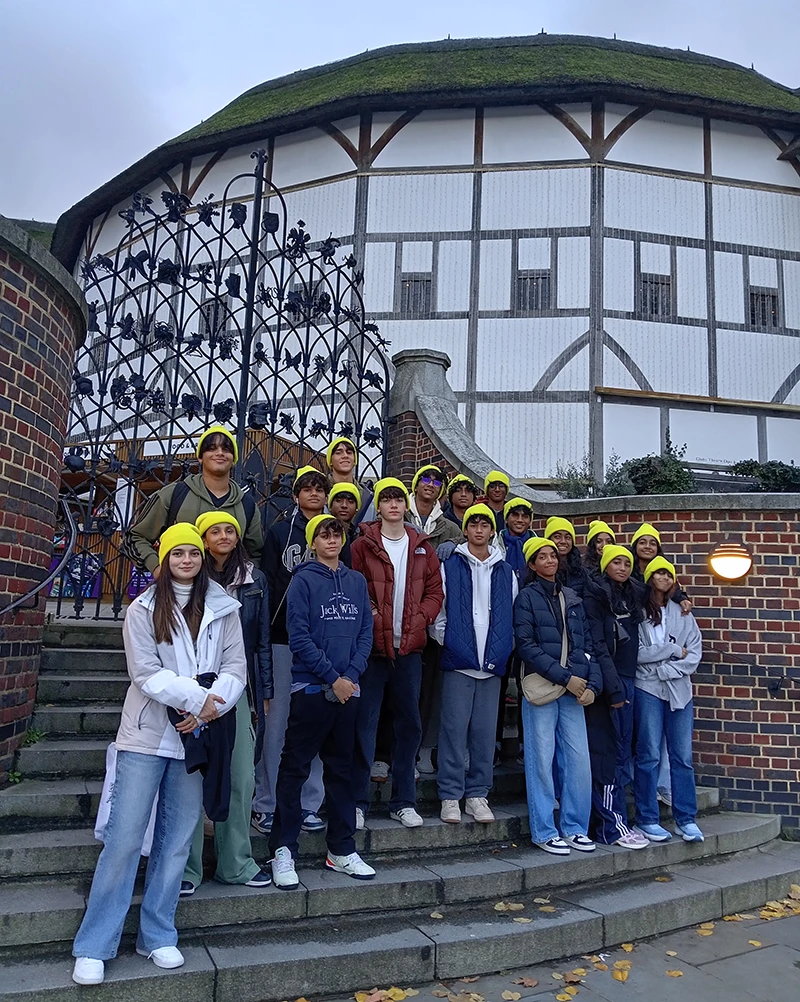
Where appropriate, the school uses cross-curricular techniques when studying various topics. In KG1 and KG2, these topics take place in General Studies, and for Junior 1 – Junior 3 in General Knowledge. Junior 4 and Junior 5 study History and Geography separately. Current topics include People Who Help Us, Dinosaurs, Planet Earth, Civil Rights, Ancient China, The Vikings, Rainforests and Ancient Egypt. In English, students in Junior 5 enjoy their first taste of Shakespeare through fun activities on his plays and language.
The Senior School follows British syllabuses that are adapted to the school's Sri Lankan context. Students gain the knowledge they need to compete as global citizens in the fast-changing modern world without neglecting the customs and heritage of the country they live in. Using examples and case studies from Sri Lanka, for example, ensures that the students can see how what they learn is relevant to their own lives. In the Arts, we nurture and encourage students' originality, creativity and free thinking, like the top British schools. In STEM subjects, however, we appreciate that standards are often now higher in India, China, Japan and Korea and ensure we keep ahead of the latest advances in these countries.
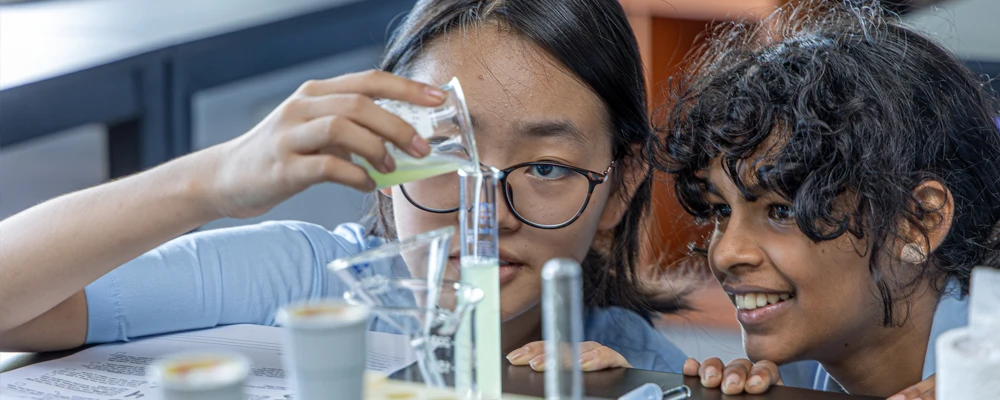
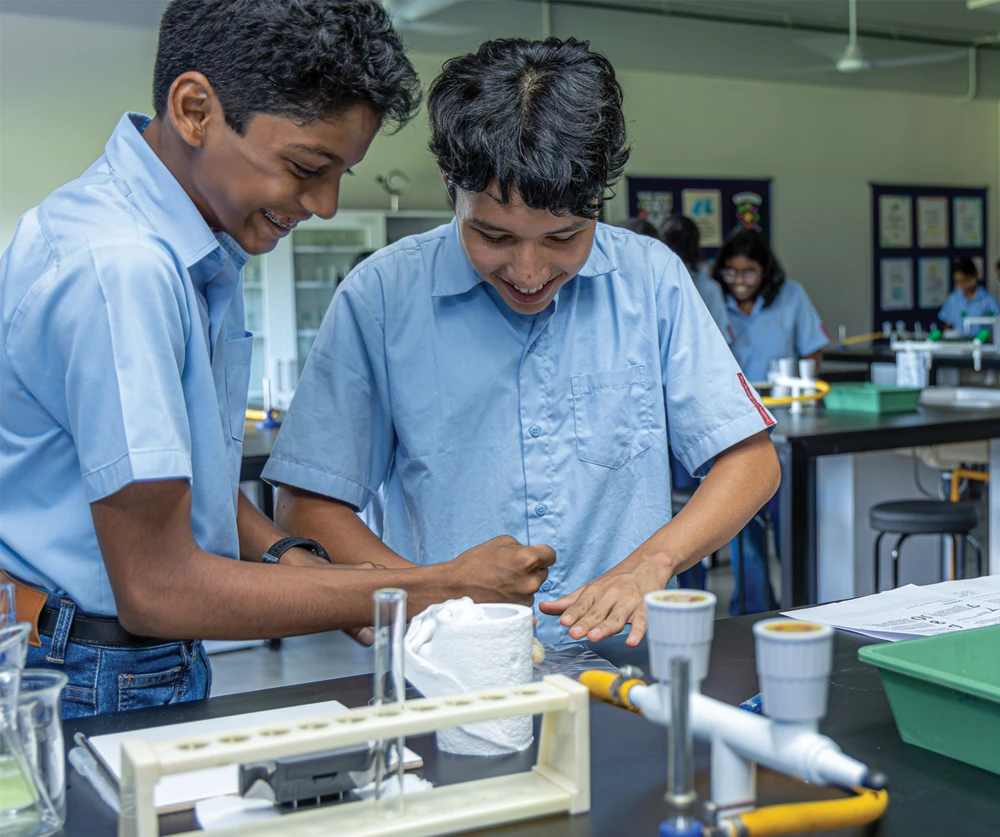
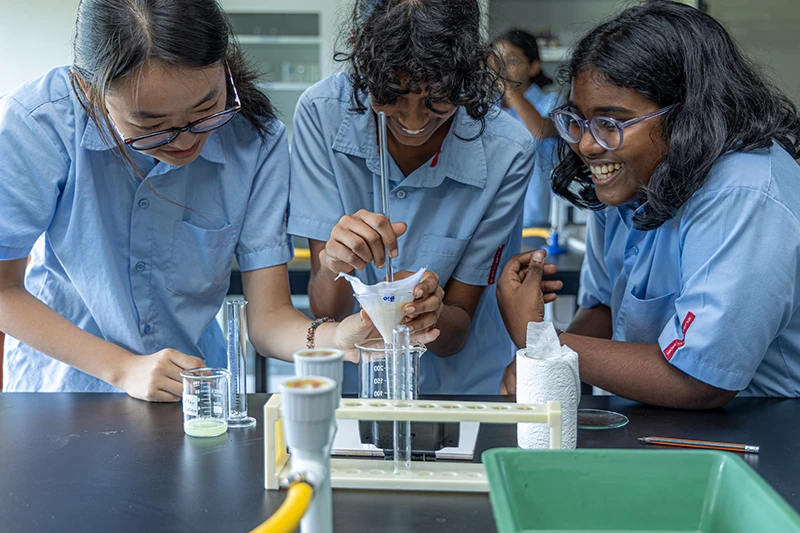
Coming to the Senior School involves lots of exciting changes for our students. Students have the chance to do experiments in specialised Science laboratories and learn the basic scientific method. In English, while there is still a strong emphasis on basic writing skills, students also have their first taste of Literature, studying texts as diverse as The Hunger Games and To Kill a Mockingbird. Rather than studying English Kings and Queens in History, students study topics more relevant to them, including the Holocaust and the Arab-Israeli conflict.
In addition to English, Mathematics, Science, History, Geography, ICT, Art and PE, students in Forms 1-3 also start to learn two languages from a choice of Chinese, French, Sinhala and Tamil.
In Form 4, students begin the IGCSE course set by Pearson Edexcel. IGCSE is recognised by universities and employers around the world and students’ results in this examination are the first step to university admission. The course lasts two years with students taking the examinations at the end of Form 5.
English Language, Mathematics, Physics, Chemistry and Biology are compulsory for all students. Students must choose at least three more subjects from the following list: Further Pure Mathematics, English Literature, History, Geography, Computer Science, Chinese, French, Sinhala, Tamil, Drama and Art.
IGCSE Handbook6th Form students study the International Advanced Level (IAL) course set by Pearson Edexcel. These qualifications are recognised by universities around the world.
Students must select 3 or 4 subjects from: Mathematics, Further Mathematics, Physics, Chemistry, Biology, Computer Science, History, English Literature, Geography, Economics and Art. These are the core academic subjects recognised as being most academically rigorous by top universities. Other subjects such as Business Studies, Law and Accounting are on British universities’ lists of 'non-preferred' subjects: students who take one of these subjects are at a disadvantage when applying, and students who take two are not even considered.
A Level HandbookIn 2013, The Daily Telegraph in the UK reported that Elizabeth Moir School had the 3rd best IGCSE results in the world in a survey of international schools’ public exam results. Since then, our research suggests the school has had the best international school results most years at both IGCSE and A Level.
In 2022, the school’s results would have placed it 7th at IGCSE in the UK league tables, out of the 6500 UK schools that offer GCSE, and 10th at A Level, ahead of almost all the most famous British schools, all of which select only the top students based on stringent entrance examinations at age 11 or 13. Moir students achieved the highest mark in Sri Lanka in eight of the nine subjects they sat the Edexcel exams. Six of these were the highest mark in the world. In Biology, eight students in Sri Lanka scored 100% and all eight were from Moir. At IGCSE, Moir students earned the highest mark in Sri Lanka in ten out of the thirteen subjects we offered in which awards were given.
This year, 70% of all A Level papers were graded A* or A and 79% of IGCSE papers graded 8 or 9, the equivalent of the old A*, with 57% graded 9. These were the joint best of any international school in the world, with Harrow International School, Hong Kong. At A Level, over half the class achieved 3 As or better. Nine students achieved 9s in nine or more IGCSE subjects, while seventeen students, one third of the class, obtained 7 or more 9s.
Summaries of Results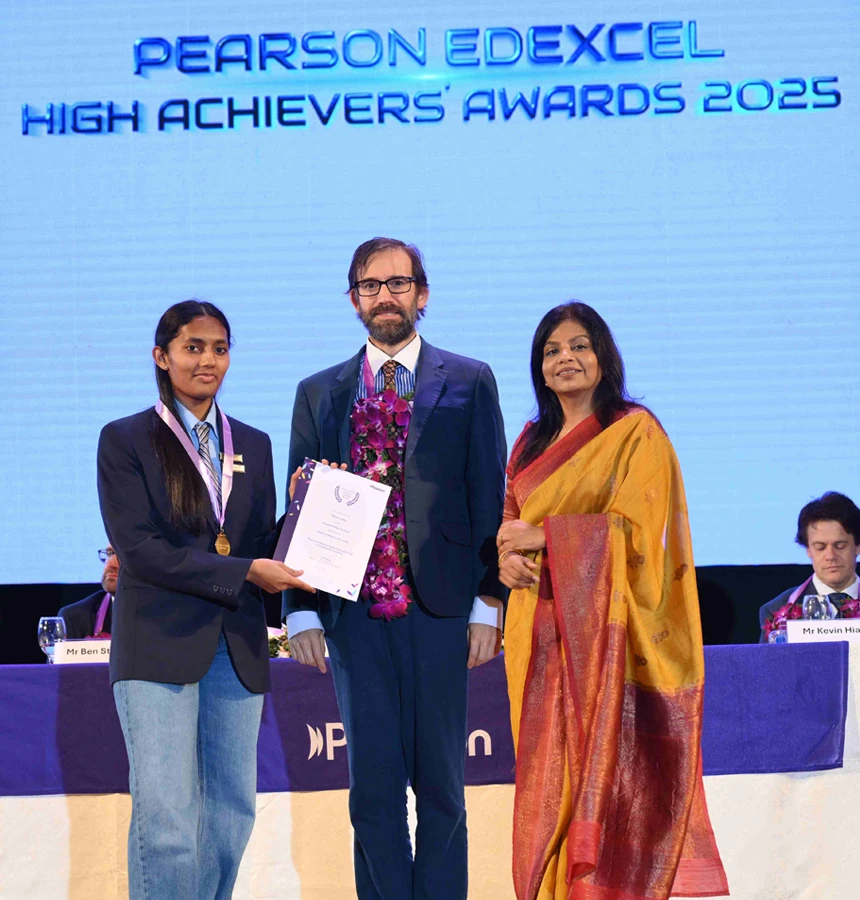
The Curriculum is just the starting-point of our students’ education, not a limit to their ambitions. Teachers are experts in their fields who can stimulate pupils’ interest by sharing new ideas and the latest research. We encourage all students to pursue their interests further through independent reading and research. Whether it is architecture, classical music or politics, we know that a passion fostered at a young age will stay with students as they grow up and enrich their lives.
‘Super-curricular’ activities are now crucial to students’ chances of earning places at top universities. Students are encouraged to read articles in academic journals, take online courses offered by universities like Harvard and Stanford, and enter academic competitions, from essay prizes to Olympiads. Last year, one of our students represented Sri Lanka in the International Mathematics Olympiad (IMO), the most famous Maths competition in the world, having finished 1st in the prestigious Sri Lanka Mathematics Competition, ahead of the top mathematicians from both local and international schools. Other Moir students finished 4th and 9th.
Students are encouraged to take an interest in current events and the world around them through activities ranging from the weekly ‘Junior Whizz’ questions in the Junior School to the eagerly anticipated annual Inter-House Quiz at the Senior School. Theme Weeks in Assembly each term at the Senior School focus on important topical issues such as Nanotechnology or Free Speech, and sometimes include discussions with panels of experts in the field.
The prestigious annual Essay Prize at the Senior School stretches our very brightest students by requiring them to produce original answers to challenging general questions. Selected students are also invited to join the school’s senior academic forum, Essay Club, in the 6th Form, which discusses a range of political, philosophical and ethical issues.
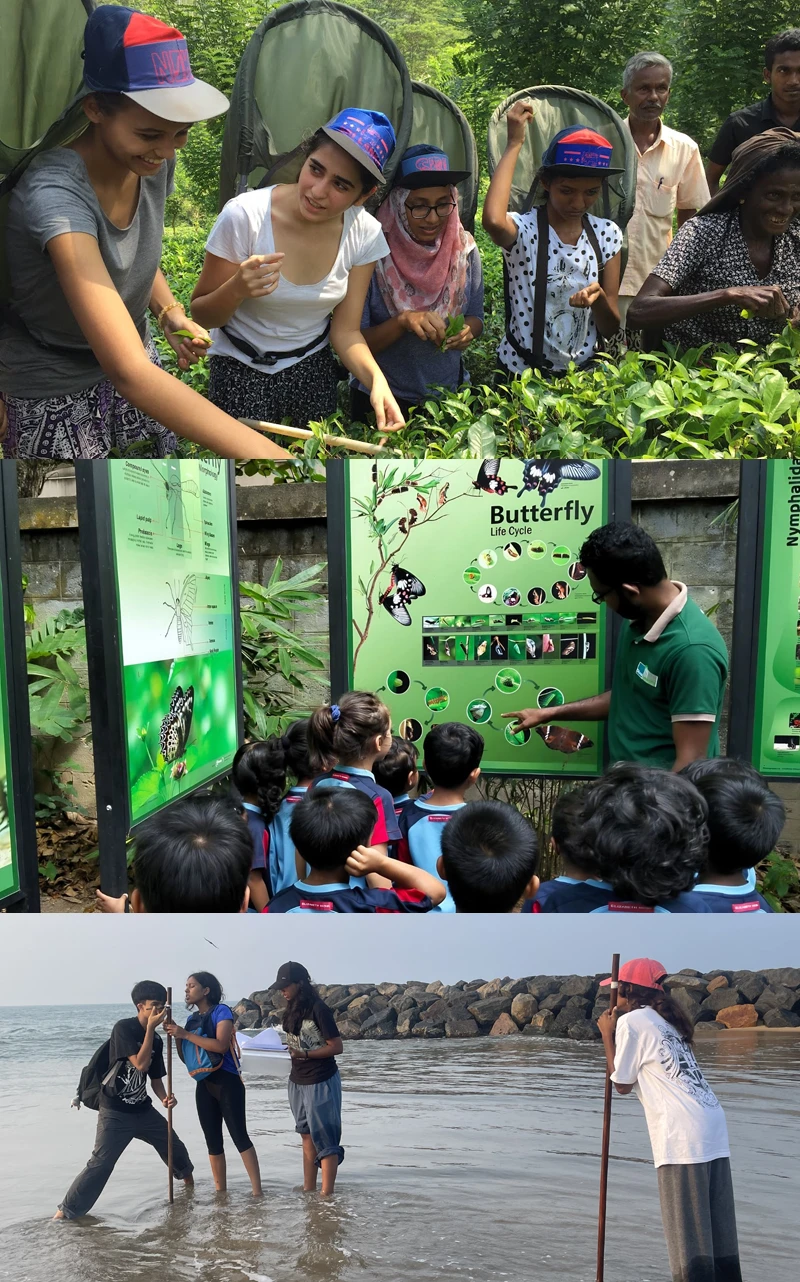
Sri Lanka has always been admired for its natural beauty and variety – from beaches to rainforests, from the Cultural Triangle to the Hill Country. Every year we take students on educational trips around the whole island to enable students to see what they have been learning first-hand. Students learn far more from seeing something for themselves and conducting their own fieldwork than they can in a classroom so are taken on trips as often as possible.
Trips are a real highlight of the year for our Junior School students and are much anticipated and greatly enjoyed. Each class goes on one educational, one Community Service and one ‘fun’ trip per year. Recently, for example, the Early Learners explored nature at the Forest School; Pre KG visited the Air Force Museum in Ratmalana and Dilmah One Earth Centre in Moratuwa; KG2 visited Ape Gama, a model village; Junior 2 visited the supermarket after learning how to use money and calculate change; and Junior 4 visited the Commonwealth war memorial.
At the Senior School, History students go on annual trips to Polonnaruwa and Anuradhapura and other nearby sites, as part of their study of Sri Lankan History each Summer Term. As well as conducting their own independent fieldwork, Geography students go on regular visits to rivers, coasts, factories and cities, investigating issues from urban regeneration to the impact of flooding, often interviewing local residents. Recent A Level overnight trips included fieldwork on coasts, tourism and urban regeneration to Galle Fort, Mattala Airport and Hummanaya Blow Hole and trips to coasts and a wind farm in Marawila and Kalpitiya. Science students investigate different ecosystems, including mangroves, as well as local flora and fauna.
Students also have the opportunity to go overseas. There is a regular trip to Paris for French students to practise their language skills and visit the sites they have learnt about in class, such as Versailles and La Tour Eiffel. Science students have attended the Science Camp organised by the National University of Singapore every other year. Our sports teams have recently gone on tour to the Maldives, Thailand and England.
The progress of each student at Elizabeth Moir School is monitored very carefully. Small class sizes help teachers to get to know every student so they know what they are capable of and can help them fulfil their potential. There is tremendous co-operation between teachers in both schools, with regular meetings to discuss the progress of all the students in a class. If there are concerns about certain individuals, strategies are implemented to address a potential problem.
Elizabeth Moir School is committed to involving parents in their children’s education and giving them regular updates on their children’s progress in school. Open Days for parents to meet their children’s teachers are held every term and parents receive detailed reports at the end of each term with individually written comments from all their child’s teachers. Class Teachers are also in regular communication with parents throughout the year and parents can meet teachers at any time by appointment. There are Parents’ Evenings for all Junior School parents at the start of each academic year and for Senior School parents at key junctures of their children’s academic careers, such as when they join Form 1 and when they have to select their IGCSE and A Level subjects.
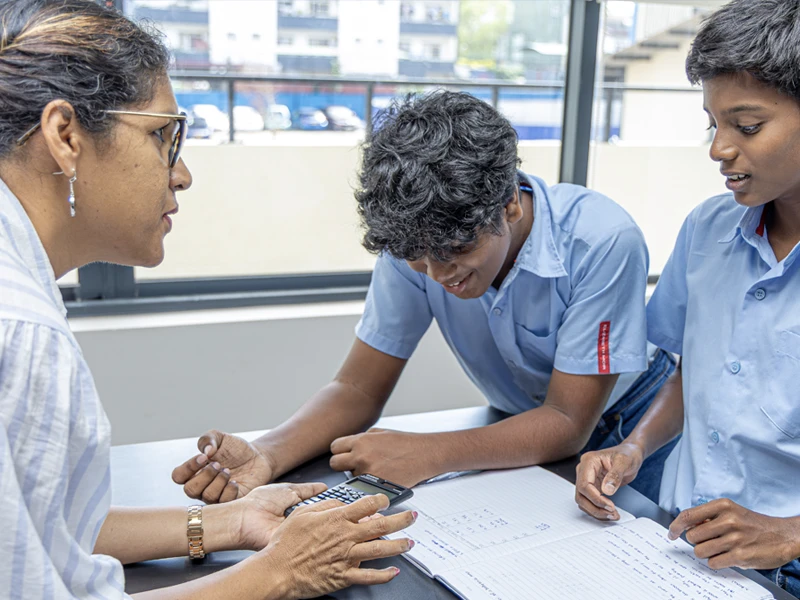
Elizabeth Moir School is committed to giving all students the support they need to cope with academic classes and to tailoring the curriculum for each student, so that everyone can move at their own pace. There are Curriculum Support classes in both schools for students who are struggling in a particular subject or have missed work having joined the school midway through a school year, and for ESL students. English as a Second Language (ESL) classes are provided at the Senior and Junior School for students whose English is not proficient when they enter school. Students normally become fluent in English extremely fast and are soon able to join mainstream classes.
University entrance becomes more competitive each year. With most applicants now having outstanding grades, students need to stand out from the crowd: a good application will make the difference between being offered a place and missing out. This is why we have two full-time Guidance Counsellors who ensure that students receive the best advice on where to apply and are guided through every step of the admission process. Having sent students to top universities all over the world for over thirty years, our recommendations are trusted by admissions committees and we have close contacts with admissions staff. Universities regularly tell us that the quality of our references led to students being offered places.
SAT classes begin the first term of the Lower 6th so students can take the SAT before the end of the year and get ahead of the curve. A huge number of our applicants score above 1500, putting them in the top 5% of candidates. Our internship programme provides students with essential work experience that adds an extra dimension to their applications. Students have shadowed doctors, lawyers and architects as well as working at newspapers, laboratories, charities, rural schools, embassies, think tanks, government departments, advertising agencies and financial companies.
With most families unable to afford the full cost of an overseas university, a lot of our time is spent helping students find the financial aid they need to make their dreams a reality. Last year, students received full scholarships in the USA, Australia, Hong Kong and NYU Abu Dhabi. One student’s financial aid at Yale this year was worth over $400,000 over 4 years, covering the full cost of tuition, accommodation, food and travel. 26 students have obtained full scholarships at NYUAD in 13 years.
Last year, seventeen students, almost a quarter of the class, were offered places at Oxford, Cambridge, Imperial and UCL in the UK, all in the World Top 10, and many more at other top British universities including LSE, Durham, Edinburgh and Bristol. Other students went to Ivy League Cornell, UPenn and Brown in America, while another joined three other Moir students at Stanford in Silicon Valley, ranked 3rd in the world. Others went to NYU and top liberal arts colleges.
Next year, the school will again have students at six of the eight Ivy League colleges in the US. This includes our tenth student at Harvard in the past fifteen years. Seven students have gone to Oxford or Cambridge in the past two years, reading courses including PPE and Engineering at Oxford, and Economics and History at Cambridge. Over half of the current Sri Lankan undergraduates at Oxford and Cambridge are Moir students.
Many students choose to study Medicine. Our current Captain of School has been offered a place to do Medicine at Imperial. Other students this year have started medical courses in the UK, Australia, Malaysia and Cyprus, while Arshana Welivita is our first ever student at Harvard Medical School, studying Biomedical Informatics, having completed her undergraduate degree at Johns Hopkins.
Alumni regularly go on to do Master’s courses at top universities, including Oxford, Cambridge, Stanford and Yale recently. Current PhDs reflect our students’ diverse interests: one is doing research on Artificial Intelligence at Harvard and another on the pearl trade in the Gulf of Mannar in the late 19th century at Columbia.